
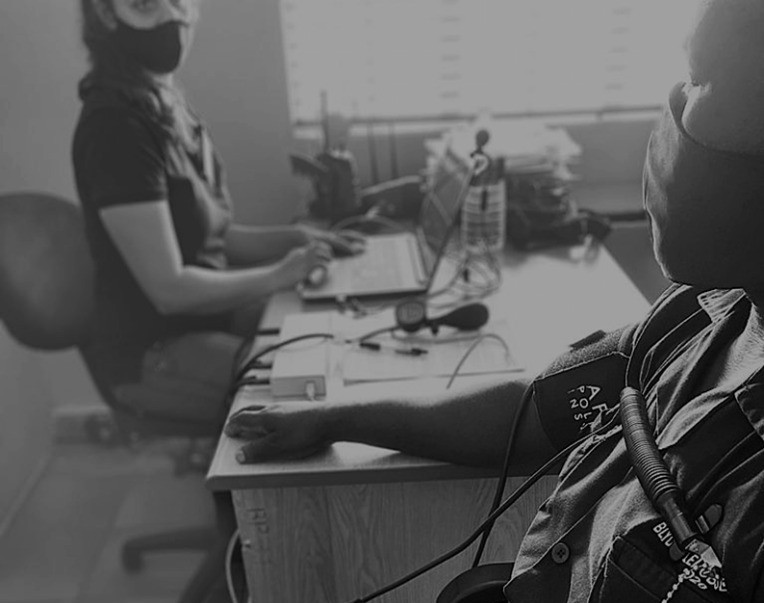
Choosing a polygraph examiner isn’t something most people do every day. Whether you’re a business owner trying to resolve a workplace issue, a partner looking to restore trust, or an attorney seeking clarity in a case, the stakes are high. You want answers. And for that, you need the right person behind the instrument.
This guide serves as a starting point and will link you to focused articles that explore every critical aspect of hiring a professional polygraph examiner.
Why Choosing the Right Polygraph Examiner Matters
Polygraph tests are only as reliable as the person conducting them. A skilled examiner can help reveal the truth clearly and ethically, while an unqualified one can lead to false results, legal complications, and unnecessary stress. You’re not just choosing a service — you’re choosing someone who could impact a relationship, a job, or even a legal outcome.
To help you make a confident decision, we’ve broken down the most important elements into dedicated articles. Explore the links below:
🔗 How to Verify a Polygraph Examiner’s Credentials
Learn how to check if your examiner is certified by SAPFED, SAPPA, or APA, and how to verify membership online.
🔗 Questions to Ask Before You Book a Polygraph Test
Get a list of smart, practical questions to evaluate their professionalism, process, and experience.
🔗 Red Flags to Avoid When Hiring a Polygraph Examiner
Discover the warning signs of unprofessional or unethical practitioners and how to spot them.
🔗 Understanding Polygraph Testing Methods and Equipment
Not all tools are equal. This guide explains modern polygraph tech, chart-scoring methods, and what you should expect.
🔗 Costs of a Polygraph Test in South Africa
We break down what you can expect to pay, what’s included, and why cheap isn’t always better.
🔗 What to Expect Before, During, and After the Test and 🔗 After the Test: Results and Reporting
Step-by-step walkthrough of the full process, including pre-test interviews and result delivery.
🔗 Can You Trust Polygraph Results?
We explore the science and limits of polygraph accuracy and what impacts the outcome.
🔗 Who Should (and Shouldn’t) Take a Polygraph Test
Not everyone is a good candidate for polygraph testing. Learn who qualifies and who doesn’t.
Quick Checklist: What to Look for in a Polygraph Examiner
| Criteria | Why It Matters |
| Certified by SAPFED, SAPPA, APA | Ensures industry-recognised training |
| Experience with your type of case | Familiarity improves testing accuracy |
| Modern equipment & video recorded | Ensures test quality and transparency |
| Ethical and professional conduct | Avoids bias, coercion, or misconduct |
| Limits to daily testing (≤5/day) | Prevents fatigue and mistakes |
| Suitability screening | Ensures valid results for qualified candidates |
| Transparent about cost and process | No surprises or hidden fees |
| Clear written reports provided | Useful for HR, legal, and peace of mind |
| Positive client reviews | Builds trust through real-world experience |
| Responsive and communicative | Ensures good client experience |
Final Thoughts: Make Your Decision Count
Choosing a polygraph examiner is not a decision to take lightly. The right examiner can uncover the truth, protect your business, or restore peace of mind. The wrong one can create more doubt than answers.
This guide has shown you what to look for: verified credentials, case-specific experience, modern tools, ethical standards, and a clear testing process. If the person you’re considering falls short on any of these, move on.
Don’t leave the truth to chance.
✅ Ready to Make the Right Choice?
Don’t leave the truth to chance.
👉 Contact us today to book a certified, professional polygraph examiner you can trust.
Fast. Confidential. Reliable.